












The 7 key steps to prepare for video filming
🎬 Quick summary | 🕓 Updated on 06/03/2026
🎯 The goal of this article: to help you prepare for a professional video filming without stress, by following 7 key steps based on real-world experience.
🧰 What you’ll learn: how to clarify your message, build a team, create a storyboard, anticipate technical issues, plan effectively, and avoid last-minute oversights.
✅ Bonus: stress-free checklist, common mistakes to avoid, and practical tips for all types of video projects (interviews, corporate films, digital formats).
👥 Who is this for? Communications managers, project managers, marketers, HR professionals, or anyone in charge of internal or external filming.
Filming a video always holds surprises, even for the most experienced.
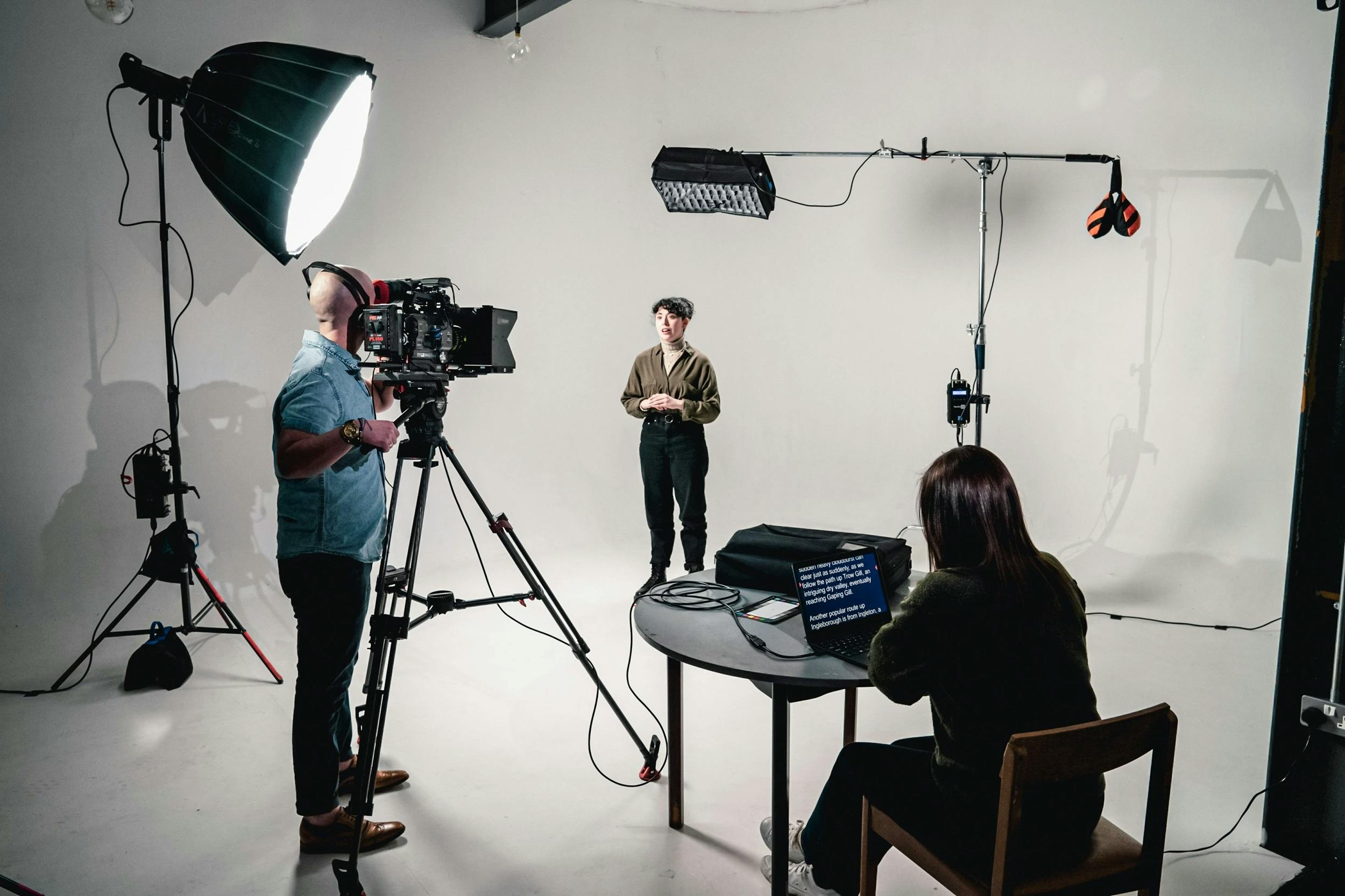
A professional camera alone isn’t enough to guarantee high-quality video! On set, a stray light or a poorly adjusted microphone can be enough to change the mood of a shoot. Every production requires careful planning and the right equipment. Experience shows that the unexpected is part of the process, which is why being able to adapt in real time is so important.
Today, visuals play a key role in communication. Whether you’re filming a corporate video, an interview, or content for YouTube, the goal remains the same: to create videos that stand out.
This article will guide you through seven key steps to prepare for the best possible video filming!
Why preparation makes all the difference in a video filming
A video filming is never just about the camera or the set.
Every production begins long before the first take. What happens behind the scenes is what really makes the difference: a team working toward a common goal, careful organization, and attention to every detail, from equipment to lighting.
Even the most creative directors know that success depends on preparation, not luck. In practice, a production without a clear plan is like cooking without a recipe: you may have the best ingredients, but the result will be hard to control.
We’ve all dealt with these kinds of unexpected issues caused by poor planning:
- A microphone that refuses to cooperate during an interview
- A set design that no longer matches the brand’s desired image
- The sun playing hide-and-seek at the worst possible moment
A small hesitation about the choice of location or a missed technical detail can slow down the entire shoot. Experience shows that every detail counts, whether you’re filming in a studio, at a company, or on location outdoors. Anticipating each step is key to ensuring quality, from video creation to post-production.
Why invest in preparation?
- To ensure consistency between the project’s objectives and the final result on screen.
- To give the team a clear and motivating framework, even when the schedule gets tight.
- To optimize every minute on set and avoid unnecessary costs.
The real secret of professionals is their ability to adapt to the unexpected with proven methods.
With Pitchy Studio, you no longer have to think about anything or warn anyone in case of the unexpected, we think for you.
The anti-stress checklist for successful video filming
Before taking out the camera or setting up the tripod, every seasoned videographer starts by writing down a checklist on paper or on a computer (it’s 2025, after all!).
It’s a secret weapon for staying in control on the big day. It helps you prepare your setup in advance and anticipate every step, so nothing goes off track.
A solid checklist includes:
- A detailed equipment checklist: camera, microphone, lighting, batteries, stabilizer
- A reminder of essential documents: permits, schedule, team contact details
- Checking filming locations and the condition of the set
- A plan B for every potential issue (in case of weather changes or technical problems)
Each type of project whether it’s a corporate video, a YouTube video, or an interview has different requirements. Adapting the checklist to the format and context gives each team real peace of mind. A good digital tool can help you check off each item and even incorporate feedback from previous video filming.
To ensure every sequence fits smoothly into the edit, take the time to prepare this checklist in advance. It helps you avoid last-minute surprises and keeps production running under the best possible conditions.
Whether in cinema or corporate video, this little ritual is a great joy for all those who want to make their video a success on the first try!
7 key steps to prepare your video filming like a pro
1. Clarify the objective and the message
“It’s by doing anything that you become anyone,” said Rémi Gaillard (get the reference?). What this means is that without clearly defining your objective and message, it’s impossible to properly prepare for a video filming.
Do you want to promote a service? Showcase a product? Create a corporate video or train your team? Each type of project has its own format and message. This step, often overlooked, is what makes the difference between a standout video and content that gets overlooked.
Clarifying your objective helps you define the message to deliver, as well as choose the right equipment, lighting, filming location, and even the overall style of the video. At this stage, it’s important to involve all stakeholders: the director, communications manager, technical team, and studio staff.
As you can see, the brief is what really matters. You may love it or hate it, but you have to admit it helps avoid unnecessary takes and ensures nothing is forgotten on the big day.
The clearer the objective, the smoother the process with a team that is aligned and motivated, ready to meet every challenge during the video filming.
2. Bringing the project team together
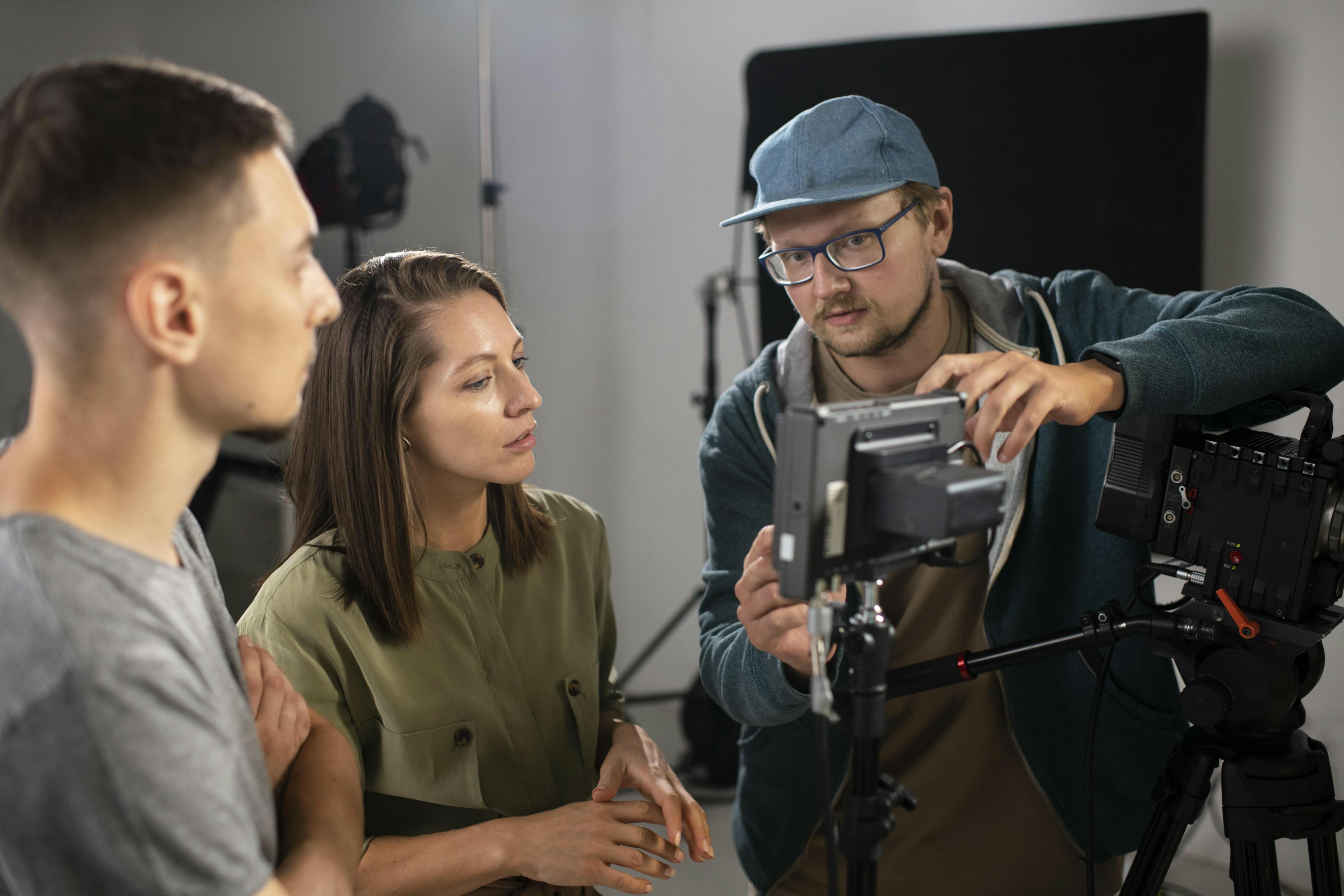
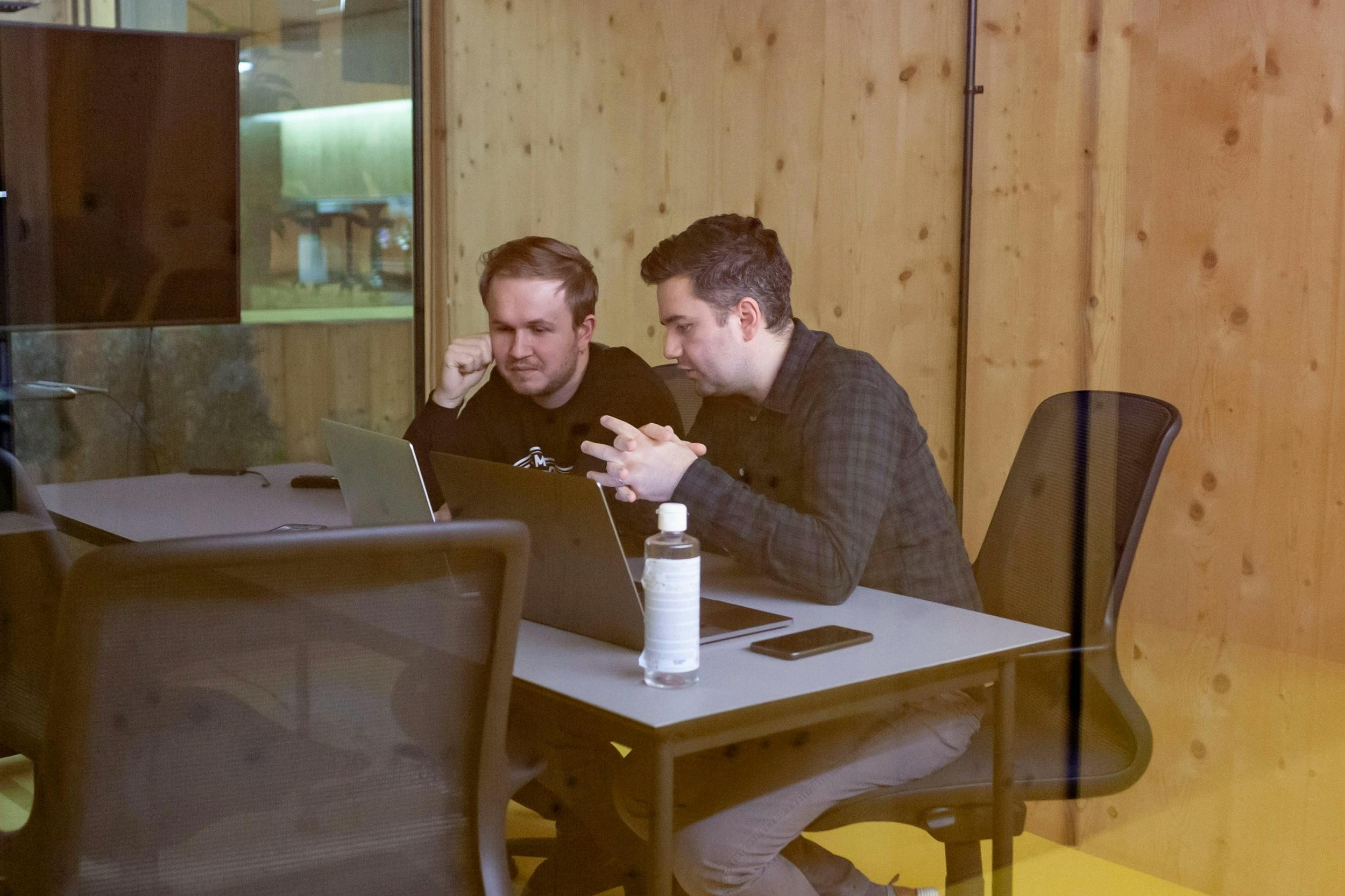
A successful video filming always relies on a well-organized team behind the scenes, because even the best equipment isn’t enough if the crew isn’t up to the task. The success of a corporate video, YouTube video, or interview also depends on the talent involved.
To build a strong team, you need experts. But most importantly, each profile should complement the others so the team can adapt to the chosen format and shooting location. In the audiovisual industry, a good director never works alone: every production involves several different roles.
Depending on the type of content, it may be useful to include:
- A project manager to coordinate the overall organization
- An experienced camera operator to ensure image quality
- An audio technician to manage sound and microphones on set
- A lighting specialist to adapt lighting to each scene
- An online video editor to turn each take into a dynamic sequence
Get the team involved from the preparation stage. This also means identifying everyone’s needs and anticipating potential issues.
3. Design the storyboard and the sequence
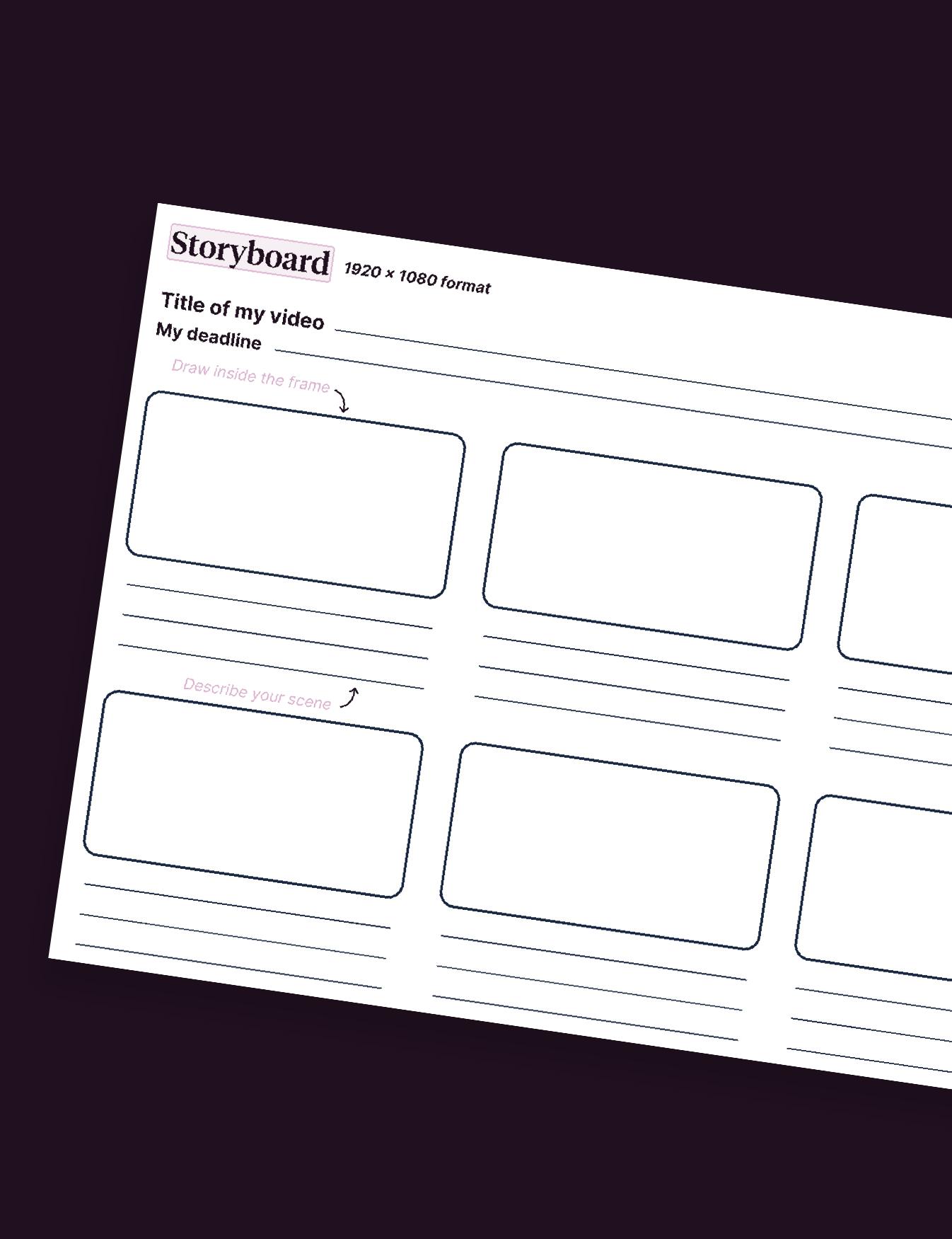
Once the team is assembled, it's time to get creative! You should never start a professional video shoot without a detailed storyboard. This visual guide allows the director to plan each shot and define the format of the film, ensuring that the work is evenly distributed among the team members. On a film set, this document helps anticipate the equipment to be used: camera, tripod, microphone, lighting, or even a Sony stabilizer.
The storyboard facilitates time management on the day of the video filming. It allows you to optimize shots and set key stages of production.
It does something your brain may forget: think of every single accessory.
A good storyboard also makes editing smoother during post-production. The content is relevant and customized for each type of service or product. The result: an audiovisual experience that delivers on all its promises, from the first shot to the final scene! If you're interested in creating marketing videos, check out our article sharing the 7 steps to create a marketing video!
4. Prepare the equipment and anticipate technical challenges
It's impossible to make a professional video filming without reliable filming equipment!
The camera isn’t everything it’s the combination of equipment, accessories, and settings that guarantees video quality. Forgetting a simple microphone or underestimating the lighting means risking having to start over.
To avoid unpleasant surprises, team members should check:
- The overall condition of the equipment: camera, batteries, stabilizer, tripod, audio gear
- The lighting setup, whether in the studio, on location, or outdoors
- Useful accessories depending on the format and the project (smartphone mount, color filters, extension cords)
- The technical conditions of the location (power supply, space, acoustics)
A good director knows it’s better to bring too many options than not enough. To ensure the day runs smoothly, the director should test all the equipment in advance.
In audiovisual production, technical preparation makes all the difference!
5. Create a detailed planning
In video filming, time is as valuable a resource as a good camera: it evaporates at the slightest hesitation.
This preparation work is not simply a matter of setting deadlines; it involves organizing every moment, from the first coffee on set to the last shot, to ensure the project runs smoothly.
- A good schedule should take into account every step of the process:
- setting up the equipment;
- the timing of the shoot;
- preparing the actors;
- managing breaks
- etc.
Successful planning means allowing for the unexpected while ensuring high-quality results. Choose a digital roadmap to centralize information and adjust schedules in real time. More than just an organizational tool, it helps ensure team alignment and deliver a service that lives up to the image you want to project.
6. Manage logistics and permissions
The success of a professional video filming often depends on small details that are easy to overlook. For example, if you’re planning a video filming in a castle or another private venue, good luck!
Each filming location has its own rules and may require you to submit paperwork months in advance. Be sure to prepare well in advance.
On the administrative side, you'll need to gather the necessary certificates.
- Are the crew's contracts in order?
- Have you anticipated the SACEM declarations if you plan to use music?
- Do you need to report the presence of special technical equipment, such as a stabilizer or a generator for lighting?
When we talk about logistics, we’re not just referring to transportation. The term also covers safety: checking access conditions, notifying local authorities about the video production, and managing staff movement on a complex set. It’s also a good idea to prepare an evacuation plan and keep emergency contacts on hand in case of any incidents.
The video filming can then be distributed legally, without any bad surprises after editing.
7. Brief the team and create the right atmosphere on the day
On the day of video filming, everything often comes down to the first few minutes: the briefing! A good briefing allows a team to work together, without getting distracted, ready to face the challenges of the day.
Producing a corporate video or professional film requires more than just a project plan. Every team member needs to have the right information at the right time. If there are any last-minute changes, they must be communicated quickly to avoid wasting time.
Before the first take, it’s a good idea to remind everyone of:
- Their role: sound, lighting, camera, props, or editing
- Key moments during filming, especially for formats intended for YouTube or a live corporate event
- The condition of the equipment: fully charged batteries, working microphones, technical support available
- Safety guidelines: site-specific conditions, on-set traffic, and instructions in case of an incident
The briefing also sets the tone. It’s a moment to motivate the team and share useful advice or even add a touch of humor to lighten the mood. The briefing is there to provide guidance, but above all to create a positive atmosphere throughout the shoot.
What everyone forgets before a video filming... and how to avoid these mistakes
Even with the best organization, there are always small details no one sees coming. A forgotten audio cable on set, a smartphone running out of storage space mid-shoot, or a camera mount left at the other end of the studio these are all classic pitfalls that can ruin the day.
In the audiovisual industry, it’s often these “little things” that make the difference between a smooth corporate video and a production that comes to a screeching halt.
In France, as elsewhere, every video filming comes with its share of unexpected events. That’s where experience and team input really come into play. The key is to have a clear point of contact ready to handle any technical issues. You also need to have essential information on hand and take the time to learn from other professionals’ filming stories.
The more the team anticipates, the better the final quality of the video will be for both the brand and the client.
In short, preparing for a professional video filming means balancing organization, technology, and people with a few unexpected events along the way. Nothing replaces a strong team, equipment that’s ready to go, and a clear creative direction. Every step, from storyboarding to editing, contributes to the final quality of the video and the brand image. The most successful video productions are the ones where nothing is left to chance not even the small details that make all the difference.
If you’re ready to turn your ideas into impactful visuals, Pitchy Studio supports you at every stage from initial guidance to production and editing.
Let's make a discovery call now.

Resources
Related resources
Your video deserves more than a thumbs-up. Discover how to choose the right video production agency through 7 steps.
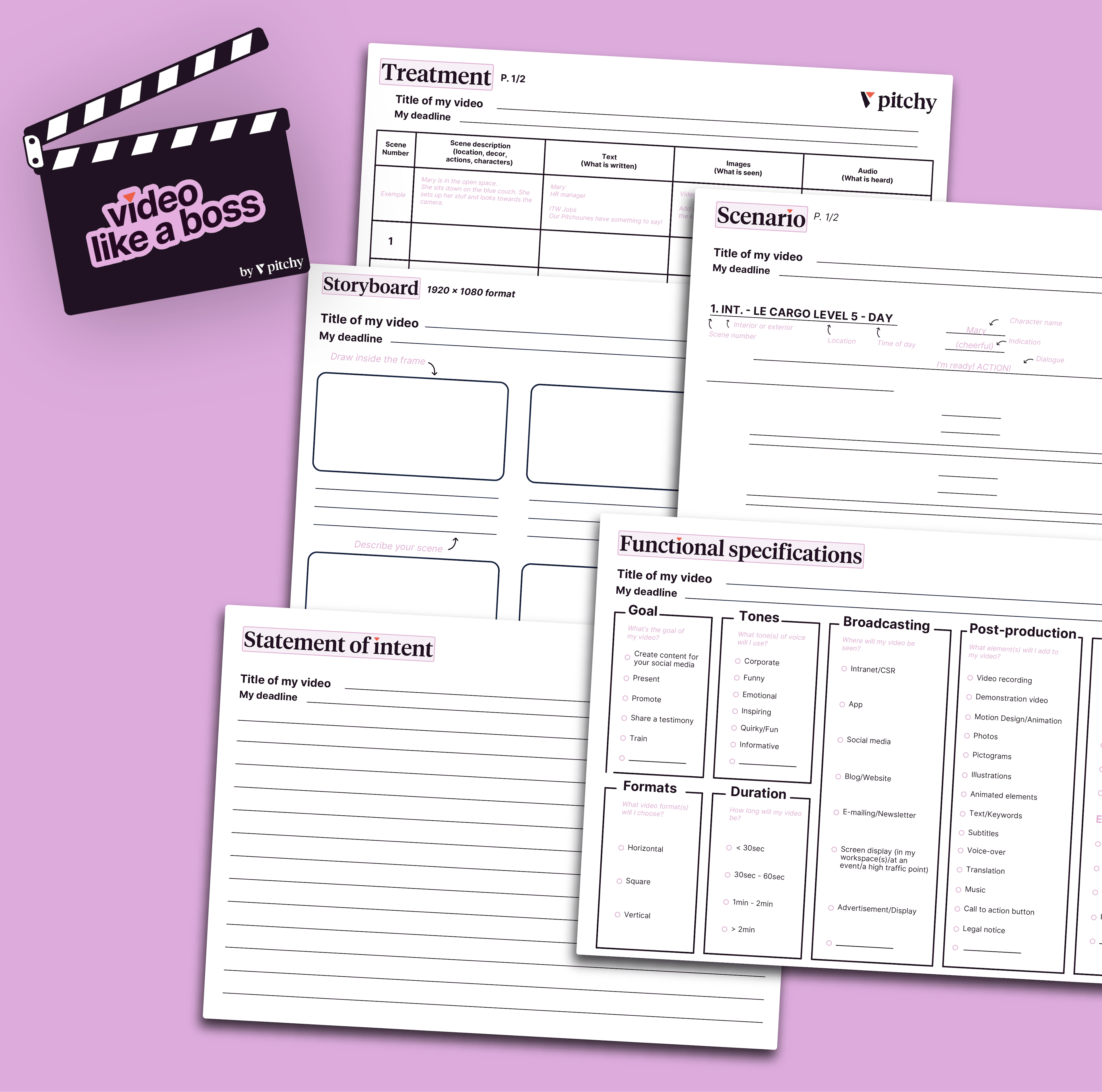
Get our all-in-one kit to kickstart your video projects effortlessly!
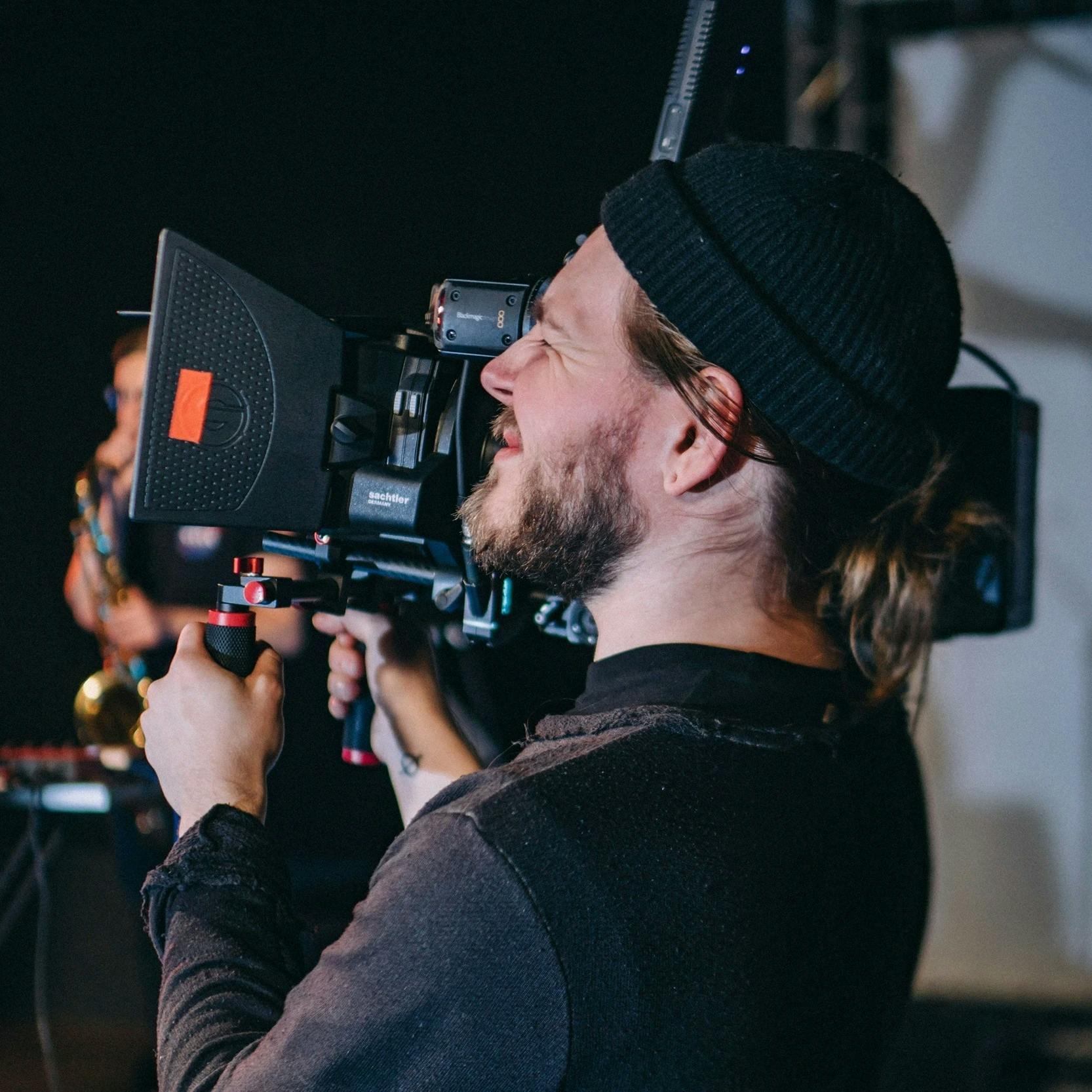
Some dream of Oscars. Others just hope their video project won’t go unnoticed. Choose the right audiovisual production company today!

We've listed the major trends in terms of video formats for you, and it's good timing, because Pitchy allows you to cover them all!