





The 10 steps for successful employee interview video

🎬 Quick Summary | 🕓 Updated on April 14, 2026
🎯 Objective of this article: help you succeed in a video employee interview, from preparation to filming, to create authentic, professional, and engaging content.
🧰 What you will learn:
- structure your interview effectively in 10 key steps
- prepare your questions and make your employee feel comfortable
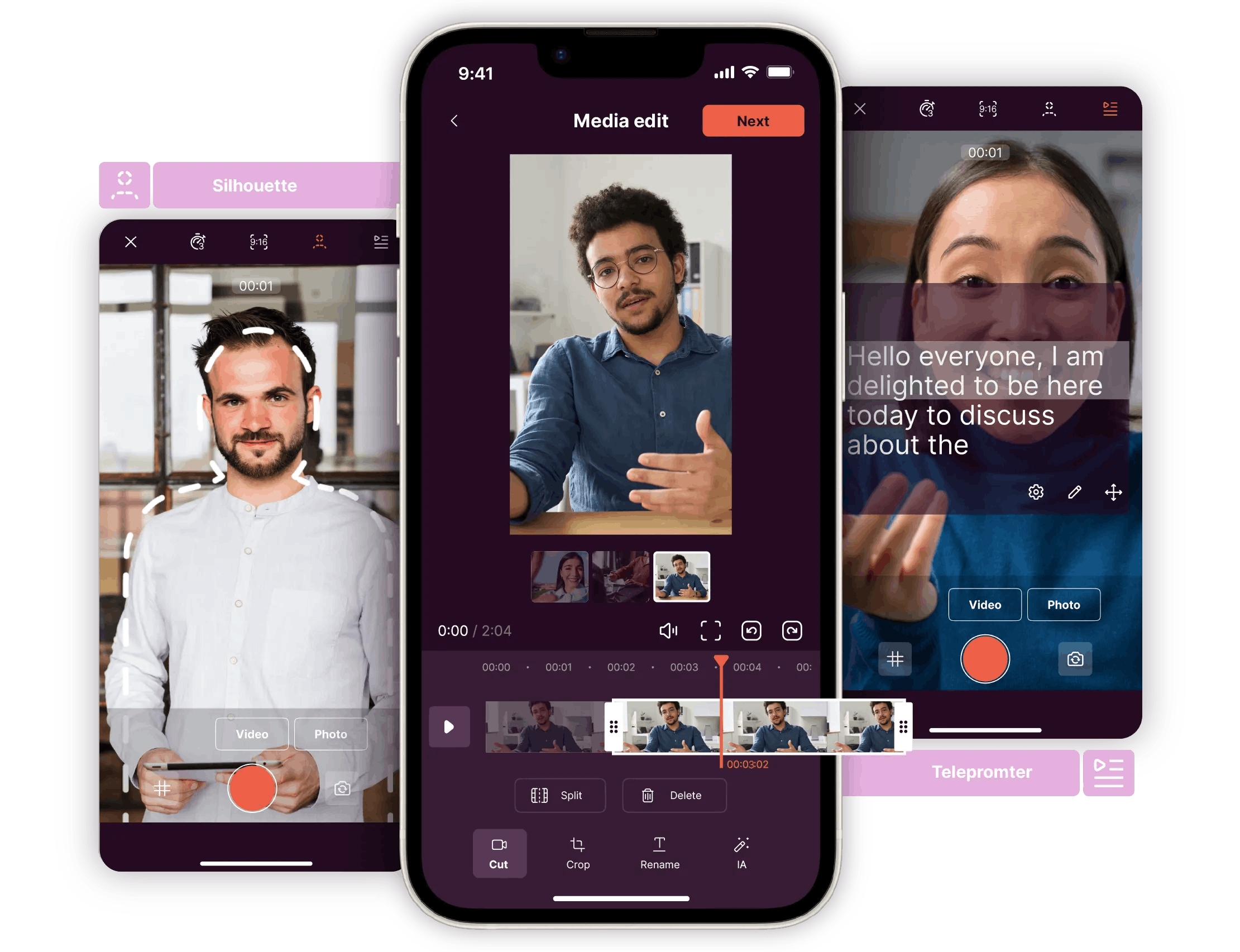
- organize the filming (framing, sound, posture, pacing)
- adopt best practices to achieve a natural result
- avoid common mistakes in video interviews
✅ Bonus: practical tips to reassure the speaker on camera and achieve smoother, more natural speech
👥 Who is it for?: communication professionals, marketing teams, employer branding managers, and HR. Professionals who want to showcase their employees through internal or external videos.
Today 86% of new employees decide whether to stay with or leave a company within the first six months. This significant figure highlights the importance of effective onboarding in the workplace. We will take a closer look at the role of video in this process.
Successful onboarding of new employees is crucial to ensuring their success within an organization. It can last anywhere from a few days to several weeks. Onboarding is a critical period during which new employees familiarize themselves with their role, their team, and the company culture. In this digital era, companies are increasingly leveraging the power of employee interview video to make this process more engaging, interactive, and effective. In this article, we’ll explore the keys to successful video onboarding to ensure a smooth and productive transition for your new team members.
Why make a employee interview video?
Creating an employee interview video adds a new dimension to what you say and what you want to share.
Today, visual formats are preferred for conveying information because they help viewers better absorb and understand the message.
An employee interview video adds credibility to a brand or company. It helps build trust with prospects and partners.
But be careful: producing a corporate video isn’t easy, and you need to understand the financial implications of creating a video interview. You need to follow a few some steps to ensure the best possible result.
Step 1: Define the objective of employee interview video
Clarify the goal of the employee interview video
Before you get started, be clear about the purpose of the employee interview video. Are you looking to highlight specific aspects of your company culture, share stories about employees’ experiences, or showcase internal initiatives?
- Employer branding goal: to make your company more attractive to potential talent.
- Internal communication: share successes and experiences to inspire and motivate current employees.
- External communication: Promote your company’s image to the general public and partners.
Identify the target audience that will watch the employee interview video
Understanding your audience will help you adapt the content of the interview. Are they potential recruits, customers, business partners, or your own employees?
- Potential recruits: Highlight career opportunities and company culture.
- Clients and partners: emphasize the company’s values and mission.
- Own employees: strengthen their sense of belonging and motivation.
Step 2: Select the employees to interview
Select the right ambassadors for your employee interview video
Select employees who reflect the company’s values and have compelling stories to share. Ensure a diverse mix of roles, experience levels, and departments to offer a complete view of the organization
- Selection criteria: passion, strong connection to the company’s values, and diversity of backgrounds
- Balanced representation: include employees from a variety of levels and functions across the organization
Preparing employees for their interviews
Inform the employees about the purpose of the interview and the intended audience. Support their preparation by sharing questions in advance and outlining the interview format
- Briefing: explain the context and the importance of their contribution
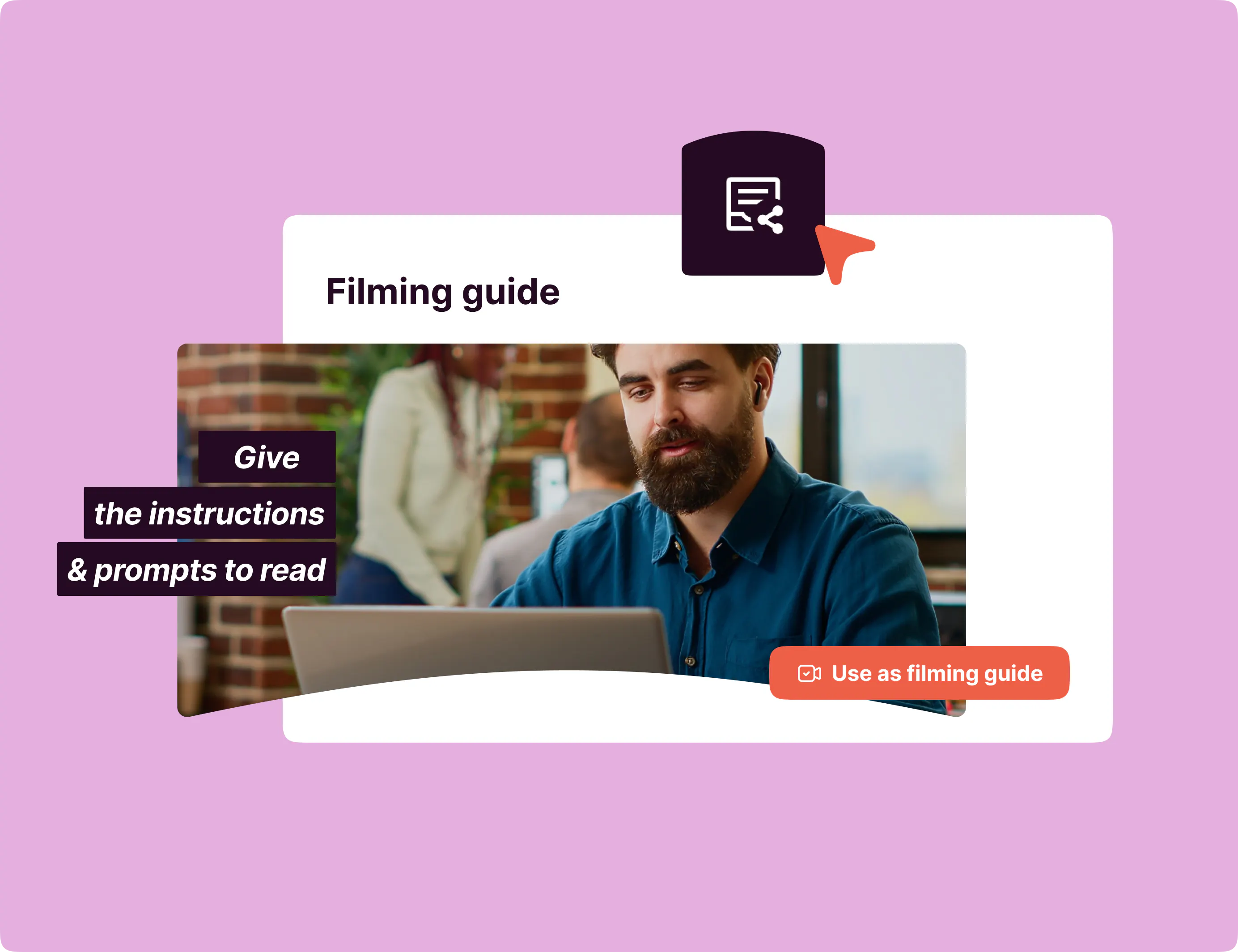
- Preparation questions: provide a list of questions to help them structure their responses
Step 3: Define the employee interview video format
Select the appropriate format
Determine the format that best fits your objectives and target audience. Interviews can be conducted as videos, audio formats such as podcasts or written articles.
- Video: ideal for social media and websites, allowing you to capture emotions and expressions
- Podcast: ideal for flexible listening to consume content anytime
- Articles: well-suited for company blogs, newsletters, and internal communications
Prepare the setting and equipment
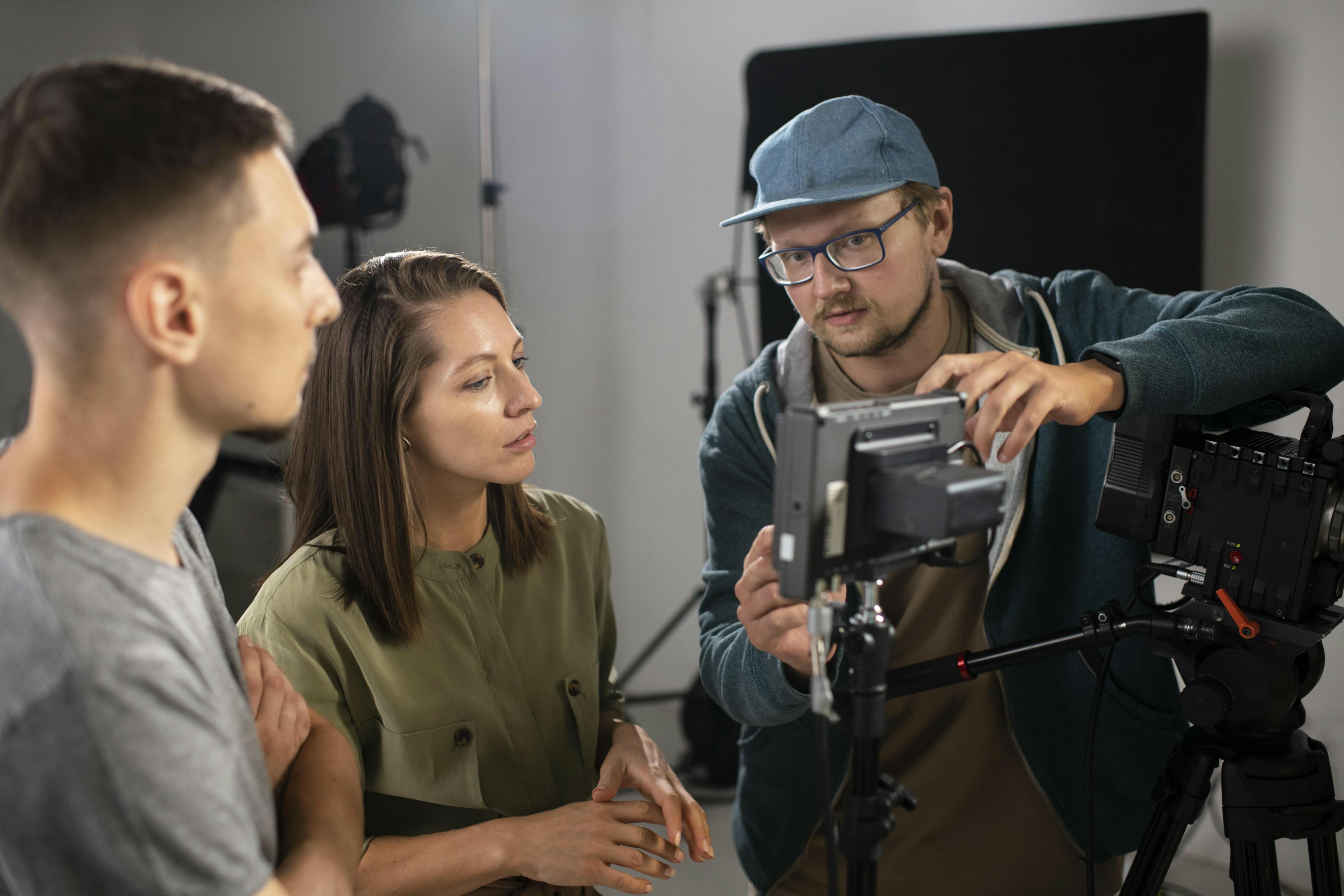
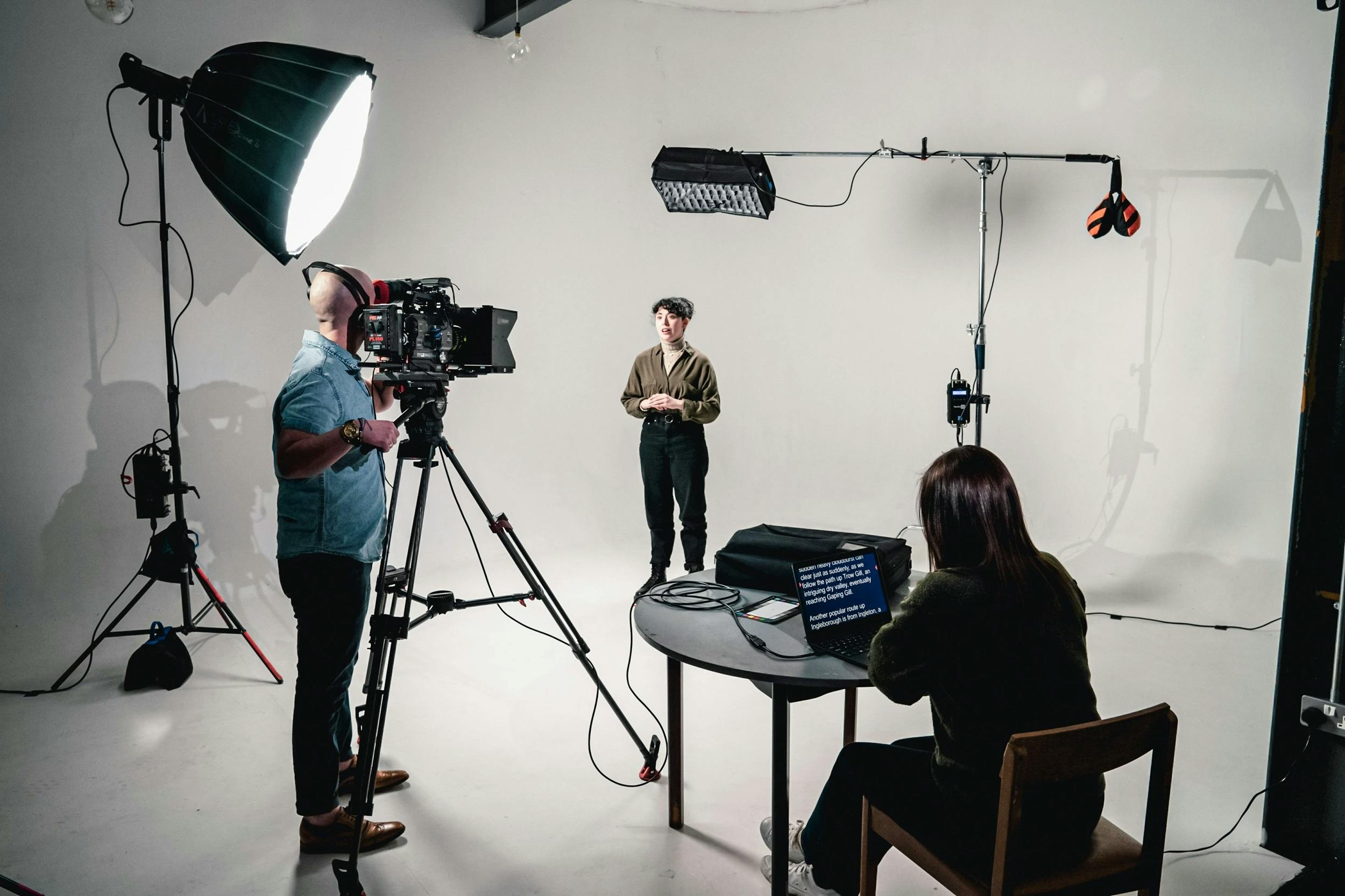
Ensure the employee interview video takes place in a quiet, well-lit environment, especially if you choose a video format. Use high-quality equipment to guarantee clear audio and visuals.
- Setting: a professional yet welcoming environment that reflects the company
- Equipment: a high-quality camera, microphones, and proper lighting
Step 4: Prepare the interview questions
Prepare the right questions for the employee interview video
Never go into an interview unprepared. Make sure you’ve planned your questions in advance so you’re not caught off guard on the day.
Focus on questions that prompt employees to share real experiences and concrete examples. Avoid questions that lead to simple “yes” or “no” answers, as they don’t provide enough depth or insight.
Example questions :
- Can you introduce yourself?
- How would you describe your role in three words?
- What are your main responsibilities on a daily basis?
- What are you currently working on?
- What does a typical day look like for you?
The Goal: these questions are designed to highlight both personal and professional aspects, while showcasing the company’s values and meaningful employee experiences.
Structure the employee interview video
Start with general questions to help employees feel comfortable, then gradually move into more specific:
- Introduction: the employee’s background, role, and time at the company
- Main section: projects, challenges, achievements, and key contributions
- Conclusion: future outlook, advice for new hires, and a personal message
Step 5: Brief and reassure your participants before the employee interview video
This step is closely linked to the selection of your interview participants. Even if they are comfortable on camera, express themselves clearly, and can naturally share their energy, a proper briefing is still essential.
This is the moment to provide all the key information needed to ensure a smooth shoot that meets your expectations. For example, share details about the target audience to help shape the tone and messaging, align on the video’s objectives, and go over the content to be covered.
It’s also important to reassure and support participants who are less experienced on camera. Break the interview into manageable parts, allow for multiple takes if needed, and give them time to rehearse in advance.
Step 6: choose the filming location
Choosing the right location is a key step in planning any video shoot. Whether filming indoors or outdoors, this should be carefully anticipated and prepared in advance.
Make sure the lighting is appropriate and sufficient, and avoid backlighting whenever possible. Consider your surroundings as well: will you be alone, or is there a risk of interruptions or unexpected appearances in the background (a colleague, a child, or even a pet (especially when working from home). Opt for a setting that feels both welcoming (plants, artwork) and professional (office space), to create the right atmosphere for your video.
Step 7: Lead your employee interview video
Create a relaxed atmosphere
That’s it, the shoot day. Everything has been carefully planned and prepared down to the smallest detail. Now, it’s time to get started.
This is often the most challenging step, as it puts you in front of the camera. It can feel intimidating at first, but don’t worry unless you’re filming live, you’ll always have the opportunity to do multiple takes.
If you’ve followed all the previous steps, you can be confident that you’re ready to embrace video. And once you do, you’ll quickly see how powerful it can be.
Start the interview with a casual conversation to help your participants feel at ease. Make sure they feel valued and truly listened to. And when filming these employee stories, don’t forget to smile especially when showcasing your employer brand.
- Start with a quick chat: take a moment to talk before recording to help them feel comfortable
- Stay engaged: react to what they say, show interest, and keep the conversation flowing with follow-up questions
Lead the Conversation
- Follow your question plan, but stay flexible and let the discussion flow naturally. This will make the interview feel more authentic and engaging.
- Stay flexible: be open to exploring unexpected but interesting topics. Adapt in real time: adjust your questions based on the answers you receive.
Step 8: Record and edit the employee interview video
Ensure strong technical quality
At this stage, you’re close to the final result. Your footage has been recorded? now it’s time to move into editing, also known as post-production.
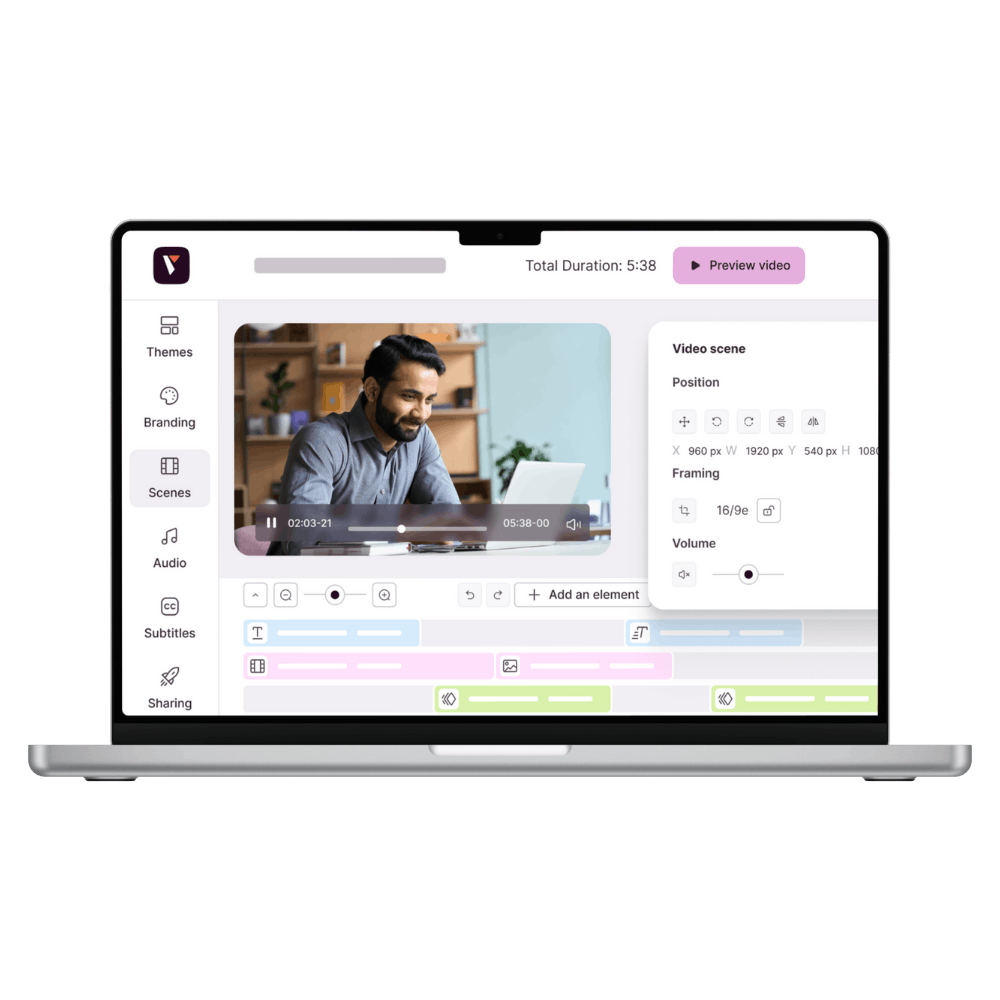
The goal is to assemble your clips, incorporate branding elements to make the employee interview video distinctive and aligned with your identity, and add transitions for a smoother, more engaging flow. You can also enhance the final result with elements such as music, subtitles, and on-screen keywords.
Depending on the tools you use, the editing process more or less complex depending on the tools you use. Make sure your recordings are of high quality, both in terms of sound and image. Run a few tests beforehand to avoid any technical issues.
- Do a quick check before you start: make sure the sound, lighting, and image quality are all good before you start
- Have a backup ready: keep spare equipment on hand in case something goes wrong
Employee interview video editing
Edit the employee interview video to ensure a smooth and engaging flow. Remove long pauses and repetitions, and enhance the content with visual and audio elements.
- Refine the edit: cut unnecessary parts, improve audio quality, and add transitions where needed
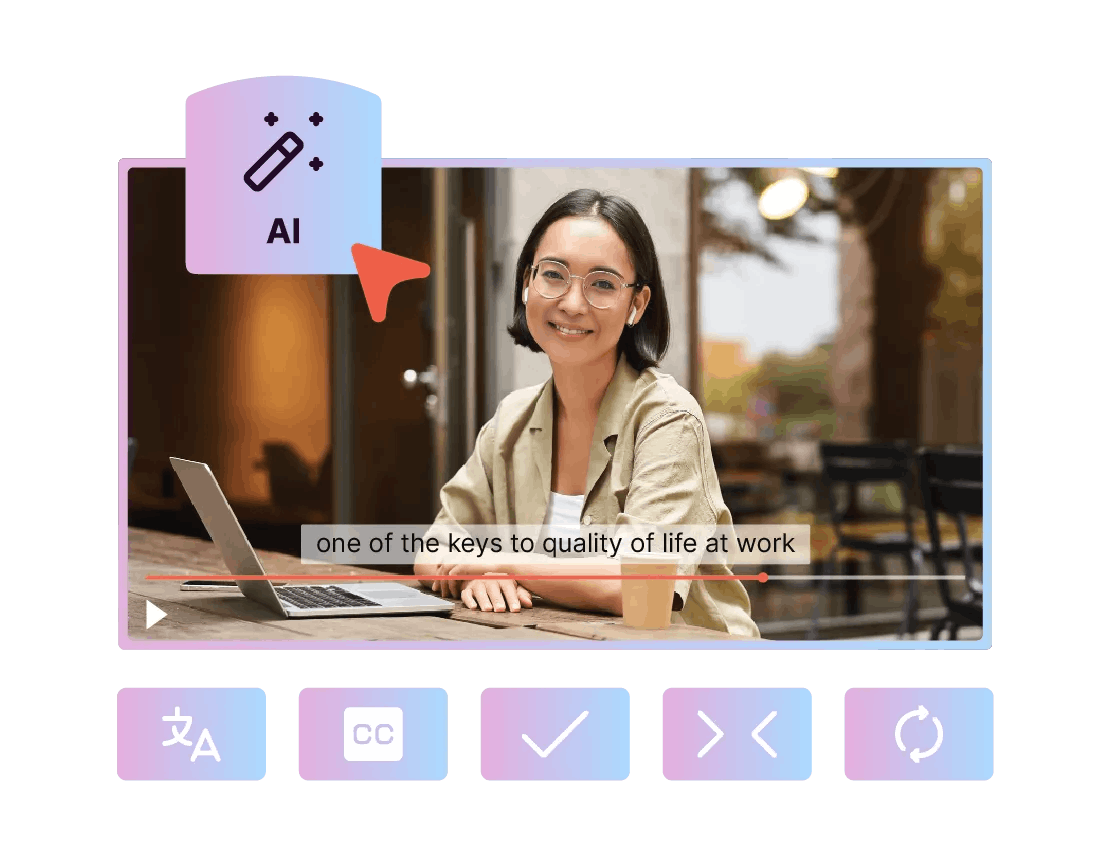
- Add visual elements: include subtitles, graphics, and relevant imagery to enrich the video
Step 9: Share the employee interview video
Distribute on the right platforms
Select your distribution channels based on your target audience. Social media, your company website, and internal newsletters are all effective ways to maximize reach and engagement.
- Social media: Use platforms like LinkedIn, Facebook, and Instagram to reach a broader audience
- Website: Publish the interview in your blog or testimonials section for easy access
- Newsletters: Share it internally to keep employees informed and engaged
Actively promote
Use teasers, excerpts, and posts to promote the interview both before and after its release. Encourage team members to share the employee interview video within their networks.
- Teasers: short videos or quotes to spark interest
- Engagement: encourage shares and comments to increase visibility
Step 10: Diversify formats
To maintain your audience’s interest and engagement, it is essential to vary the formats of your employee interview videos. This not only helps reach different audiences, but also allows you to show the company culture from various perspectives. Here are some ideas to diversify the formats:
Short, dynamic videos
Les vidéos courtes sont parfaites pour les réseaux sociaux et les campagnes de marketing digital. Elles captent rapidement l'attention et sont faciles à partager.
- Duration: keep employee interview videos between 1–2 minutes to maintain audience interest
- Content: highlight key moments, inspiring quotes, and impactful anecdotes
- Style: use dynamic editing with quick transitions, upbeat music, and subtitles to capture attention quickly
Podcasts
Podcasts allow for a deeper exploration of topics. They are ideal for listeners who want to listen to content anytime.
- Duration: aim for episodes of 20–30 minutes.
- Format: go for informal discussions and in-depth interviews.
- Distribution: publish on popular platforms like Spotify, Apple Podcasts, and Google Podcasts.
Employee interview videos are a powerful way to communicate your company culture and strengthen your employer brand. By following these 10 steps, you can create authentic and inspiring content that engages both your internal and external audiences. Diversifying interview formats helps maintain interest and reach different audience segments, while showcasing your company’s diversity and values in a dynamic and engaging way.
By investing time and resources into creating successful employee interviews, you not only help attract and retain top talent, but also contribute to building a more cohesive and motivating work environment. Your employees’ testimonials then become authentic reflections of your company’s mission and values, strengthening both their sense of belonging and overall engagement.
Adopt this strategic approach to your employee interviews and see how they can transform the perception of your company, both internally and externally. By highlighting your employees’ stories and experiences, you humanize your brand and create a stronger connection with everyone who interacts with your company.
Want to create your own employee interview video?
Looking to spark conversations, learn more about your colleagues, discover unique anecdotes, and strengthen your employer brand? Make employee interview videos a key part of your internal and external communication strategy. Ask for a demo of Pitchy solution.

Resources